Dogster is reader-supported. When you buy via links on our site, we may earn a commission at no cost to you. Read about privacy.

Dog Health & Care

11 Tips for Exercising Your Senior Dog - Vet-Approved Guide

Nicole Cosgrove
By Nicole Cosgrove · Reviewed & fact-checked by Dr. Marta Vidal-AbarcaVet Approved
Dr. Marta Vidal-Abarca
Reviewed & Fact-Checked byDr. Marta Vidal-AbarcaBVSc GPCert Ophthal MRCVS (Veterinarian)
Dr. Marta has over 16 years of veterinary experience, working across the UK and Spain as a remote veterinary consultant and in the clinic. She graduated from Cardenal Herrera-CEU University in Valencia, Spain. She holds two Ophthalmology Certificates, GPCert Ophthal from ESVPS and UAB. She has wide experience in small animal internal medicine and surgery with a soft spot for dogs. Marta is a member of the Royal College of Veterinary Surgeons, and her main fields of interest are ophthalmology and critical care medicine. Dr. Marta loves being able to share the most helpful information with pet parents across the world as one of Pangolia's in-house veterinarians. She wants to provide details that can help in all aspects of pets' lives with their beloved ones. She loves knowing that she can support our readers and communicate about any medical topic that might be relevant to their pet's health and well-being.View authorThe information is current and up-to-date in accordance with the latest veterinarian research. Read about our vets
Updated on
Share
old black dog

If you have an old dog that’s not so keen on walks or you are unsure whether your regular routine is too intense for your aging dog, you are probably looking for ways to exercise them in a way that is adapted to their life stage. Older dogs tend to spend a lot more time lying around and might not be interested in getting fit. It’s also common to be afraid of injuring your old dog with strenuous activity. Keep reading while we address these problems and show you several things you can do to help get your pet motivated and back in shape to help them live a longer, healthier life.

Please note:

  • Osteoarthritis, also called simply arthritis, is extremely common in dogs. It is estimated that it affects 80% of dogs over 8 years of age.¹ It is a painful and chronic condition that should be adequately diagnosed and managed in conjunction with your veterinarian. If your dog seems stiff, reluctant to walk, has difficulties getting up or lying down, licks their joints, or is losing muscle mass, it is vital to book an appointment with your vet. Starting a treatment plan can help improve your dog’s quality of life and slow down the progression of the disease.
dogster paw divider

The 11 Tips for Exercising Your Senior Dog

1. Check With Your Veterinarian

The first thing you will need to do before you start any exercise program is to have your dog looked over by a veterinarian. Your doctor can tell you if it’s safe to start up such a program and will be able to give you a starting point for how much exercise your dog needs each day.


2. Start Slow

You will want to start slow with an old dog that has lost some muscle mass because they can’t cope with their usual activity levels. Have patience and let the muscles build back up slowly. Any activity is better than no activity, and you can increase the duration and difficulty later.

Image Credit: Michael J Magee, Shuttertock

3. Warm Up

Anyone that runs every day will tell you how important it is to warm up before you begin. Old dogs need extra time to get their muscles ready for a long walk. Let your dog take a few laps around the yard chasing a ball or a stick before you get started to help get the muscles moving and the blood flowing. A short warm up will help reduce the risk of injury.


4. Keep It Low Impact

Low-impact exercise is a great tool in your dog’s exercising program. The best low-impact exercise you can choose is swimming. Your dog will love to swim at the doggy pool. Ask your vet for their recommendations.


5. Proper Surface

If your old dog has been spending a lot of time in the house lying around, there is a good chance the paws are tender. It can be painful for them to walk on concrete or pavement, especially in the hot parts of the day. If you notice your pet struggling to walk, it’s probably better to move your sessions to grass or wait for a cooler part of the day.


6. Daily Walk

We recommend going for two or three short daily walks. The walks don’t need to be far. A 10 or 15-minute walk will be more than adequate. You can extend it a few minutes every few weeks if you start to see some progress.
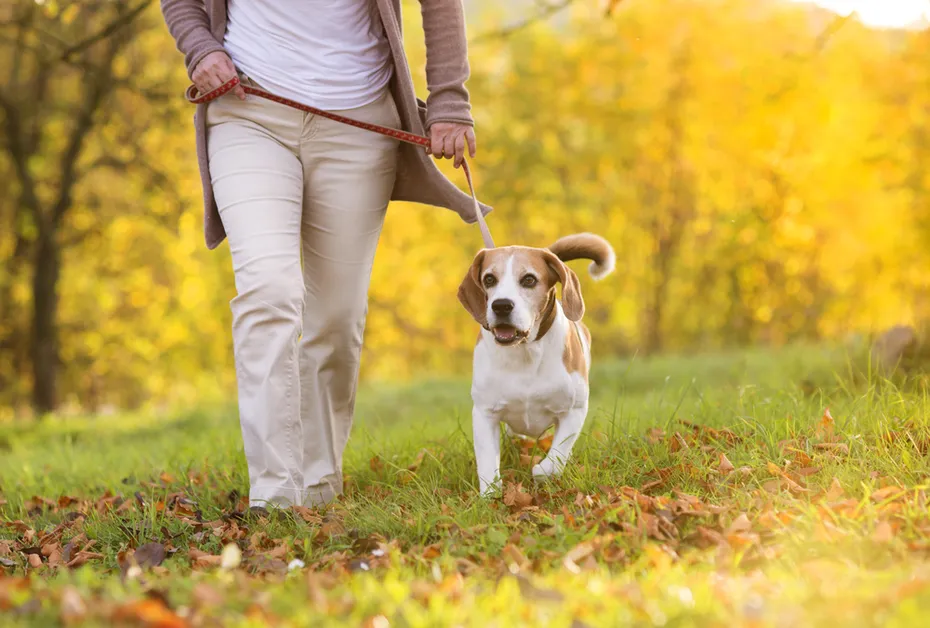
Image Credit: Ground Picture, Shutterstock

7. Watch for Pain and Discomfort

As we mentioned earlier, you will need to be vigilant about looking for signs of discomfort, especially at first. If your dog is reluctant to move, they develop a limp, or they seem too tired, consult with your vet. Stopping can help prevent injury from occurring and will give them the chance to heal if injuries occur.


8. Be Consistent

Consistency is always key when training your dog, and exercise is a form of training. You are teaching them to be more active. Holding your sessions at the same time each day will help your dog to get into a routine. Routines are extremely important, and dogs love them.


9. Don’t Forget Mental Exercise

Exercise doesn’t always need to be physical. Your dog will appreciate some mental stimulation as well. Hiding treats around your home can trigger your pet’s hunting instincts, and there are many similar games you can play with your pet. You can also purchase commercial puzzles with different difficulty ratings online or in your local pet store. In our experience, a mentally stimulated dog is less likely to be depressed and is more likely to enjoy participating in games and activities.


10. Make It a Positive Experience

Remember to praise your dog and give them some pets, a massage, and a belly rub. Some treats are probably also in order no matter how your pet did. This last step is what will bring the dog back to the training session tomorrow, so don’t leave it out.
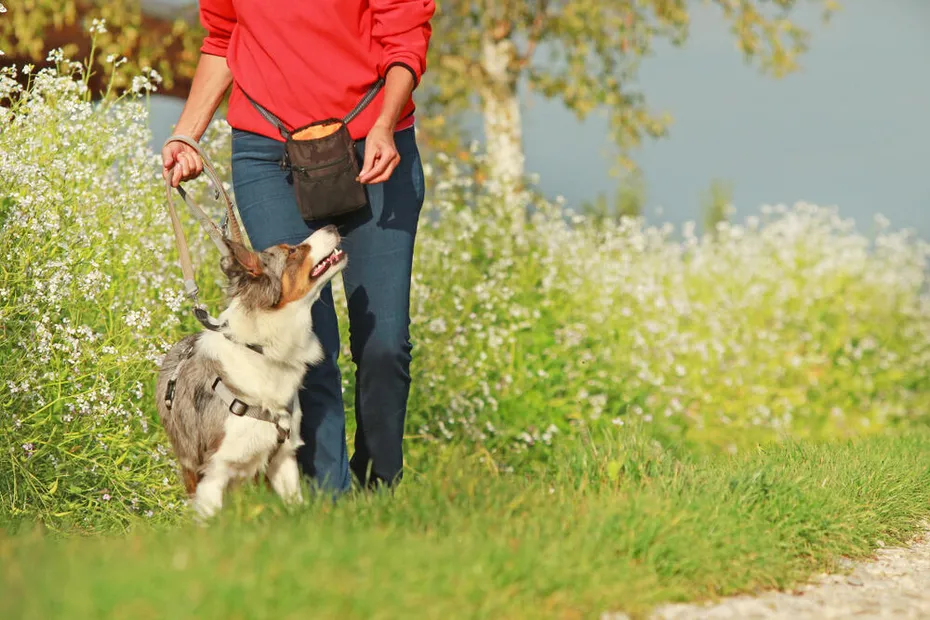
Image By: absolutimages, Shutterstock

11. Flexible Routine

One more important step for exercising your dog is to keep them flexible, especially for an old dog. Senior dogs may have good days and bad, so you shouldn’t push them even if they're making progress and haven’t had a bad day in a while. Make sure your routine is flexible enough that you can have a change of plans at any time.

dogster paw divider

Final Thoughts

Dogs love exercise, and it is simply a matter of adjusting it according to their age. Exercise is essential for a longer, happier life. Even mild exercise will make it easier for your dog to get up from a resting position or walk up and downstairs. As long as you get your dog checked by a vet before you begin and you start slowly, your dog will continue to be active and have fun in the process. It will also give you some extra time to bond with your pet.

We hope you have enjoyed reading and found the answers to your questions. If we have helped your pet start to be a little more active, please share these 11 tips for exercising a senior dog on Facebook and Twitter.


Featured Image Credit: Pixabay

The Dogster Newsletter

Expert dog care, straight to your inbox

News, insights, expert advice, and everything dog.

No spam — unsubscribe anytime.

By signing up, you agree to our Terms & Conditions and Privacy & Cookies Policy.

Click a star to rate. You can leave written feedback afterwards. (We read all feedback.)

Nicole Cosgrove
Authored by

Nicole Cosgrove

Leave a Reply

You're very welcome to leave a comment or question. Please know that all comments must meet our community guidelines, and your email address will NOT be published. Let's have a positive and constructive conversation.

Enrichment for Senior Dogs: 10 Great Vet-Approved Ideas

Enrichment for Senior Dogs: 10 Great Vet-Approved Ideas

Enrichment is essential for dogs of all ages, but it is especially important for improving a senior dog's quality of life. When a dog reaches their senior year…

Sarah Psaradelis
By Sarah Psaradelis ·
My Dog Is Getting Old: Vet-Approved Tips on How to Prepare

My Dog Is Getting Old: Vet-Approved Tips on How to Prepare

You watch as your excitable young puppy slowly matures until they are a stately adult dog, and then one day, you notice a few more changes and realize that you…

Kathryn Copeland
By Kathryn Copeland ·
10-Year-Old Dog: Vet-Approved Care Tips & Facts

10-Year-Old Dog: Vet-Approved Care Tips & Facts

We love our dogs, starting from puppyhood and into their senior years. But with each stage of life, things become different, and we need to adjust the kind of…

Kathryn Copeland
By Kathryn Copeland ·
12 Signs of Aging in Dogs: Vet-Verified Changes to Look For

12 Signs of Aging in Dogs: Vet-Verified Changes to Look For

This article has been reviewed by a qualified veterinarian using information available at the time of review. The knowledge of canine medicine is continually e…

Kit Copson
By Kit Copson ·

Exercises for Dogs With Arthritis: 4 Different Ways

Canine osteoarthritis, more commonly referred to as arthritis, is a term used to describe the abnormal inflammation of one or more joints in a dog’s body. It i…

Dr. Luqman Javed
By Dr. Luqman Javed ·
Exercises for Dogs With Arthritis: 4 Different Ways

How to Help a Pug Lose Weight: 11 Vet Approved Tips & Tricks

Have you allowed your Pug to pack on the pounds? You’re not alone. Pugs are happy couch dwellers, so it’s no surprise that obesity is a very real possibility.…

Cassidy Sutton
By Cassidy Sutton ·
How to Help a Pug Lose Weight: 11 Vet Approved Tips & Tricks

How Much Exercise Is Too Much for a Dog? Over Exercise Signs (Vet Verified)

Some dogs and puppies may seem like they have an endless amount of energy, but it’s very possible for dogs to get too much exercise. Even the most active dog b…

Jessica Kim
By Jessica Kim ·
How Much Exercise Is Too Much for a Dog? Over Exercise Signs (Vet Verified)

How to Help a Dog With Arthritis at Home: 10 Vet Reviewed Tips & Tricks

According to the American Kennel Club (AKC),1 one in five dogs suffers from osteoarthritis, which is the inflammation of one or more joints, which results in m…

Nicole Cosgrove
By Nicole Cosgrove ·
How to Help a Dog With Arthritis at Home: 10 Vet Reviewed Tips & Tricks

What Makes Dogs Happy? 10 Vet-Verified Things

We completely understand the love and devotion that comes with owning a dog. And while you’re doing everything you know to make them happy, there are sometimes…

Adam Mann
By Adam Mann ·
What Makes Dogs Happy? 10 Vet-Verified Things

Do Dogs Need to Run? 8 Vet-Approved Tips

We see videos of dogs running on the beach, chasing one another in the yard, and jogging along a trail with their human. One thing is for sure: they are having…

Nicole Cosgrove
By Nicole Cosgrove ·
Do Dogs Need to Run? 8 Vet-Approved Tips

Do Heating Pads Help With a Dog’s Arthritis? Vet-Approved Facts & FAQ

Arthritis is quite common in older dogs. If you understand the pain and discomfort that the ailment can inflict, you may wonder whether you can use heat therap…

Nicole Cosgrove
By Nicole Cosgrove ·
Do Heating Pads Help With a Dog’s Arthritis? Vet-Approved Facts & FAQ

How to Prevent Joint Problems & Arthritis in Dogs: 6 Vet-Approved Tips

Arthritis in dogs is common and is one of a number of joint complaints that can strike our beloved canine companions. While it is impossible to prevent arthrit…

Nicole Cosgrove
By Nicole Cosgrove ·
How to Prevent Joint Problems & Arthritis in Dogs: 6 Vet-Approved Tips

Love Dogs? So Do We! Join the Dogster Community

Stay informed with expert pet care insights delivered straight to your inbox! Discover professional guidance on animal behavior, feeding tips, trusted product picks, and much more.

You may opt-out at any time. View our Privacy Policy for more information.

The Dogster app on a phone